Why Skin Health Matters More Than Appearances
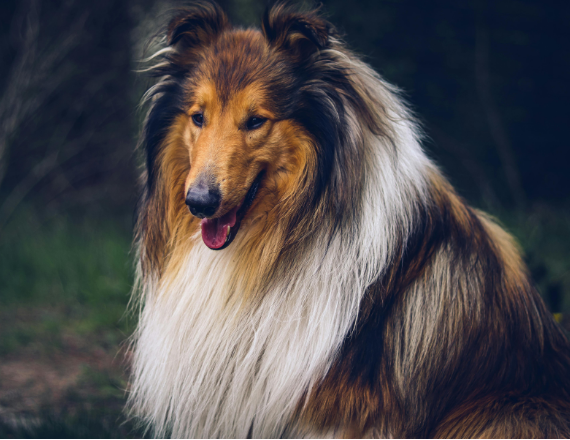
The skin is the body’s largest organ. For dogs, it also carries the coat and together, skin and coat function as both a protective barrier and a visible reflection of internal health.
A dog with a healthy skin and coat has a natural protective barrier against environmental irritants, effective temperature regulation support, and visible evidence of good internal nutrition and hydration.
Skin and coat condition is one of the first things vets assess when examining a dog, because it often reveals information about nutritional status, hydration and overall systemic health.
What Skin and Coat Health Depends On
· Nutrition – adequate protein, essential fatty acids, zinc and vitamins A and E
· Hydration – chronic under-hydration contributes to dry skin and a dull or brittle coat
· Gut health – the gut-skin axis means microbiome balance directly influences skin condition
· Hormonal health – conditions such as hypothyroidism affect skin and coat quality (vet diagnosis required)
· Regular grooming and parasite prevention
Signs to Watch For
· Dull, lacklustre or brittle coat
· Excessive shedding beyond seasonal norms
· Dry, flaky or scaly skin
· Persistent scratching, licking or biting at the skin
· Redness, rashes or hotspots
· Thinning coat or areas of hair loss
Many of these signs can indicate underlying health issues. If persistent or worsening, consult your vet.
This article is part of our Complete Guide to Canine Wellness — covering the 8 pillars every dog owner should understand.